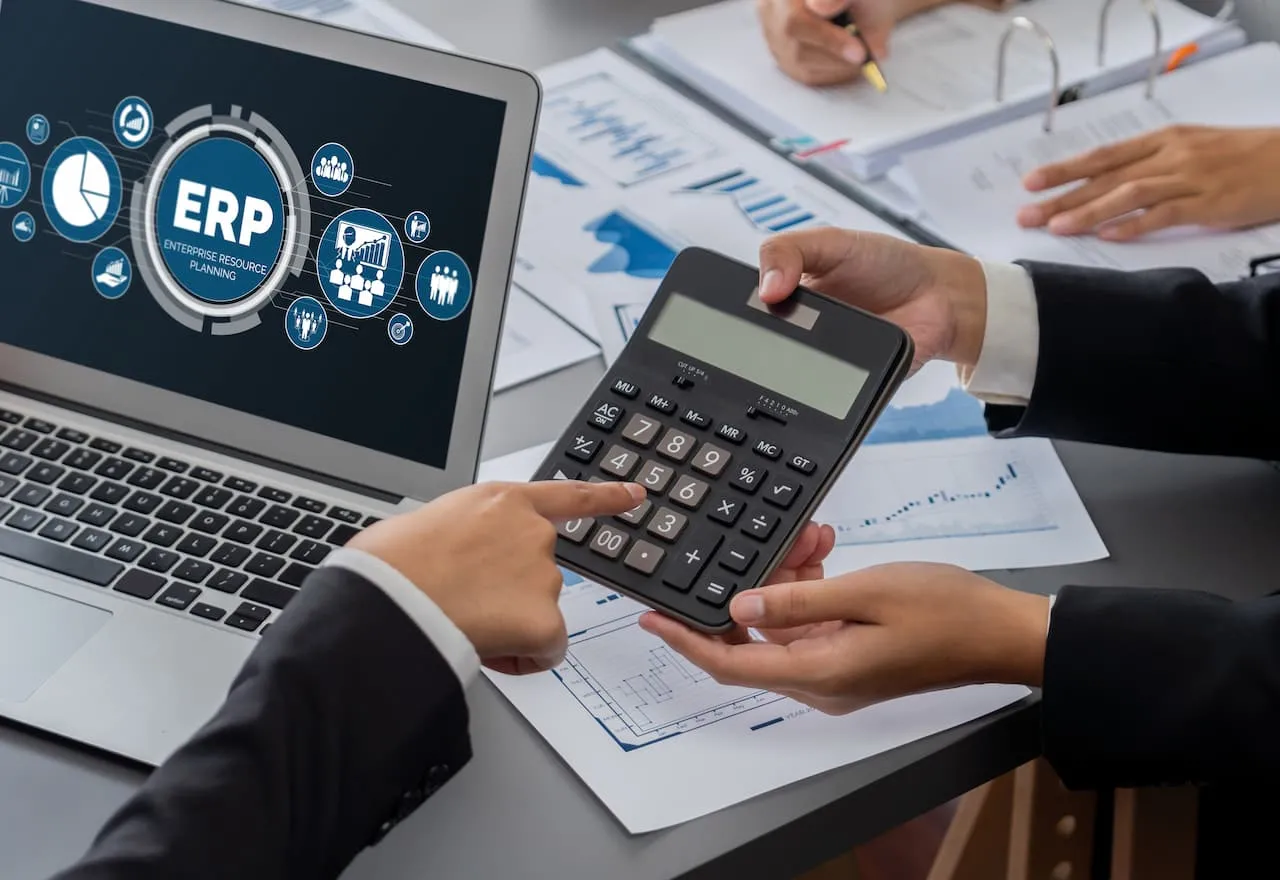
Accounting has always been fundamental to the financial stability of businesses, but with the evolution of technology, the role of the accountant is undergoing a significant transformation. Previously, accountants were solely responsible for tasks such as preparing balance sheets, financial reports and ensuring compliance with tax regulations. However, in today’s business environment, their role has become much more strategic.
Enterprise resource planning (ERP) systems have played a key role in this change. An ERP not only automates accounting tasks, but also centralises all company information, allowing accountants to make more informed decisions and collaborate with other areas of the company, such as sales, purchasing, logistics, and human resources. Furthermore, with the integration of artificial intelligence (AI) and predictive analytics, accountants can anticipate future challenges and opportunities, taking an active role in the company’s strategic planning.
In this article, we will explore how accountants are evolving towards a more strategic role within companies, and how an ERP can be the perfect ally to facilitate this transition.
The Transformation of the Accountant’s Role
For years, the main function of the accountant was to ensure that a company’s financial records were in order, complying with local regulations and standards. However, technological advances, such as ERP systems, have enabled accountants to acquire new tools and skills that are transforming the way they work.
Modern ERPs integrate all areas of a company into a single platform, allowing accountants to access real-time data on sales, purchases, inventories, human resources, and projects. This eliminates information silos, improves efficiency, and enables accountants to make more informed decisions based on up-to-date data accessible from anywhere.
Moreover, with ERPs, accountants can now generate automated reports and carry out deeper analyses that allow them to identify areas for improvement and optimise financial resources. They are no longer limited to accounting alone; they can now anticipate trends, improve profitability, manage risks, and contribute to the strategic growth of the company.
The Accountant as a Strategic Adviser
One of the most significant changes in the accountant’s role is the shift from an operational focus to a more strategic one. The modern accountant is no longer just responsible for recording transactions, but also plays a crucial role in strategic decision-making. ERP systems enable accountants to become key advisers to the company, providing real-time analysis of the financial situation and helping to steer the company towards the future.
Through the integration of tools such as artificial intelligence and predictive analytics, accountants can now anticipate financial challenges and provide proactive recommendations to managers. For example, they can identify potential fluctuations in cash flow, forecast market changes, or assess the financial impact of new investments. Thanks to these advances, accountants are able to work closely with other departments, such as sales, operations, and human resources, to ensure that the company’s overall strategy is aligned with financial objectives.
This more strategic approach not only improves decision-making but also makes accountants more visible and valued within the organisation. They are better positioned to influence key decisions and ensure that the company’s resources are allocated efficiently to maximise performance.
New Tools for the Accountant of the Future
To fulfil their new strategic role, modern accountants must master digital tools that facilitate the collection, analysis, and presentation of financial data. ERPs are fundamental in this process, as they allow accountants to integrate and manage all business information on a single platform.
One of the main advantages of an ERP is its ability to automate repetitive processes. Tasks such as generating financial reports, recording transactions, and calculating taxes can be carried out automatically, saving time and reducing the risk of errors. In addition, modern ERP systems also allow for the customisation of reports and the creation of dashboards with KPIs that help accountants make more informed and strategic decisions.
Beyond these functionalities, many ERPs also integrate data analysis tools that enable accountants to run simulations, forecast outcomes, and analyse the impact of decisions in real time. This allows them to anticipate problems and find solutions before they materialise, increasing efficiency and minimising financial risks.
Training and Adapting to the New Role
Although ERPs offer many advantages, it is also crucial that accountants adapt to these new tools. Implementing an ERP requires accountants not only to learn how to use the software, but also to understand how to interpret the data and use that information to make strategic decisions.
Continuous training is key for accountants to make the most of ERP features. It is also important for them to stay up to date with tax and accounting regulations that may affect the company, as the regulatory environment is constantly changing. To ensure that the ERP system is used correctly, accountants must be well trained and prepared to handle any challenges that arise during implementation.
From Traditional Accounting to Business Strategy
The transition from traditional accounting to business strategy requires a change in mindset and the adoption of new technologies. The modern accountant has become a key adviser who not only deals with the numbers, but also plays an important role in strategic decision-making that drives the company’s growth and profitability.
With an ERP, accountants can integrate financial data with other business processes, such as project management, resource planning, and inventory management. This enables them to have a more complete view of the company’s situation and make decisions that are consistent with long-term objectives.
This more strategic approach also promotes greater collaboration between the different departments of the company. Accountants no longer work in isolation, but are part of a multifunctional team that seeks to optimise all aspects of the business. This helps the company to be more agile, flexible, and able to adapt quickly to market changes.
The Future of the Accountant: A Strategic Role Driven by Technology
The future of the accountant is constantly evolving. Technological advances, such as ERP systems, are enabling accountants to play a more important role in company strategy, providing real-time information and helping with key decision-making. This change of role not only benefits accountants, but also helps companies to optimise resources, improve profitability, and reduce financial risks.
If your company is looking to optimise its financial management and transform the role of your accountants, an ERP such as K2B could be the key tool. By implementing an ERP, your accountants will be able to take on a more strategic role and provide recommendations based on accurate, up-to-date data. They will not only become a valuable member of the team, but will also help your company achieve long-term success.
Others news you might be interested in